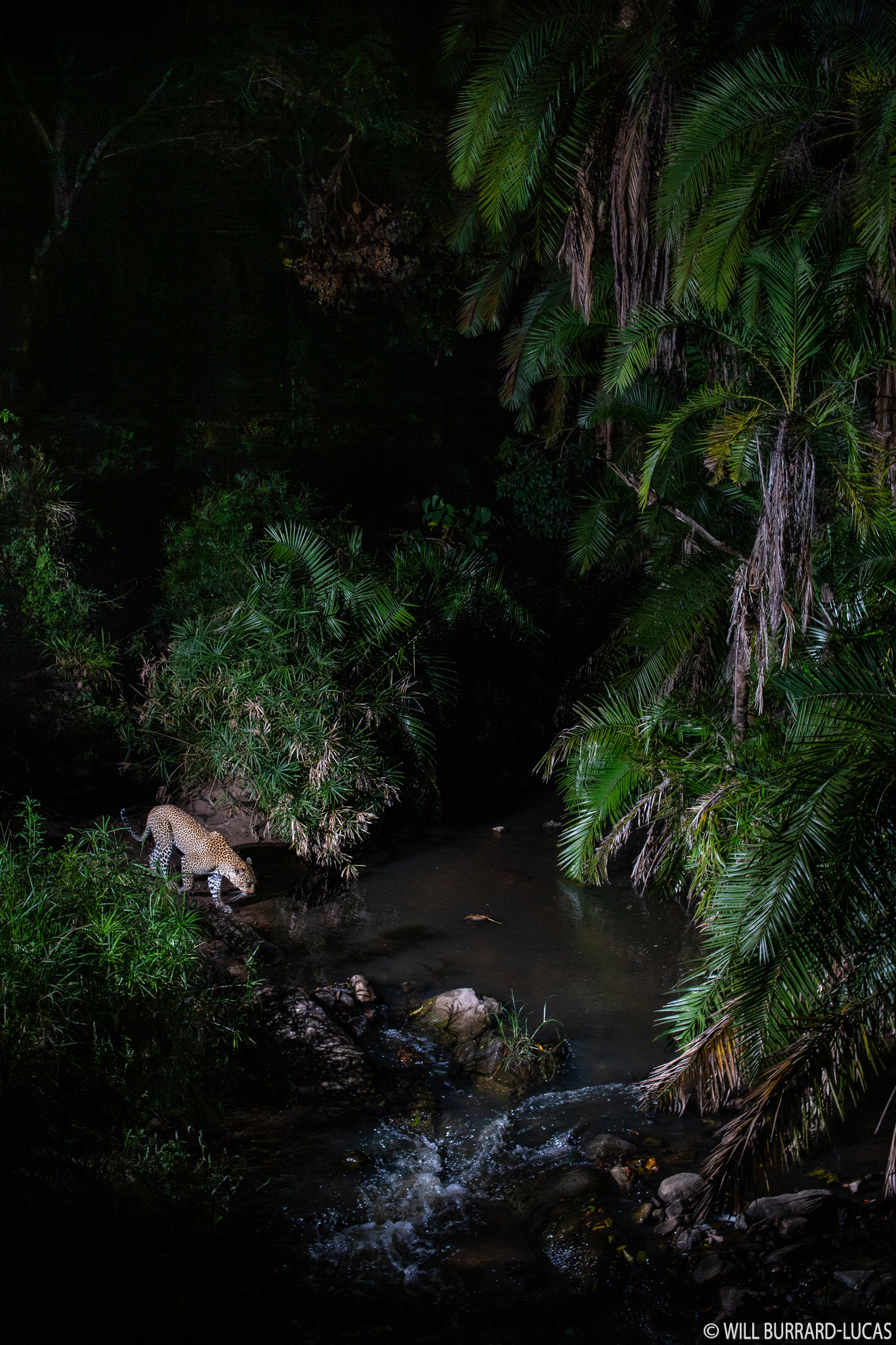
For many months last year, my camera trap quietly monitored a remote river crossing in a forested corner of the Maasai Mara.
The project came about through my friend Oli Dreike, whom I first met in Zambia. He now works with The Safari Collection’s Footprint Trust, which supports conservation and community projects across Kenya. In that role, he had been working closely with the Maasai Mara Reserve Rhino Unit, helping to establish the Maasai Mara Conservation Centre – a technology hub that supports their operations, including rhino GPS tagging and ear-notching. Recognising that camera traps could help monitor rhinos moving through dense forest, Oli brought us together.
The Rhino Unit is responsible for monitoring the rhino population and helping to ensure the areas they use are properly protected. The rangers know both the landscape and the individual animals intimately, spending each day on patrol – on foot or by vehicle – locating rhinos and recording sightings.
Rhinos are identified through ear-notching, and some are also fitted with GPS tags. Combined with EarthRanger tracking data, this helps the team understand how the animals move through the reserve, which areas they favour, and which routes are especially important. Together with the rangers’ experience in the field, it gave us a strong basis for identifying promising sites for the camera traps.
They guided me to one such place.
It was a core rhino area: a patch of dense forest flanking a small river in a secluded valley. The rangers explained that rhinos regularly used the area, but were often extremely difficult to monitor there because the vegetation was thick and the animals were elusive.
A camera trap could help them keep tabs on these individuals more reliably.
The moment I saw the place, I knew it was perfect.
Entering the forest felt like stepping into another world.
Most people think of the Mara as endless open plains, but this was something completely different. Huge fig trees towered overhead, palms leaned over the river, and thick undergrowth screened well-worn animal trails.
It felt primordial, like a fragment of an older landscape hidden within the savannah.
The river itself was small but beautiful, cutting through the vegetation with steep banks on either side. When I followed one of the animal trails down to a crossing point, I found the location I had been looking for.
The trail was deeply worn by repeated passage, clearly used regularly by wildlife.
The elevated riverbanks meant I could place the camera high above the crossing, allowing the animals to be framed within the environment rather than filling the frame in a simple portrait. The palms arching over the water gave the scene a wonderfully prehistoric feel.
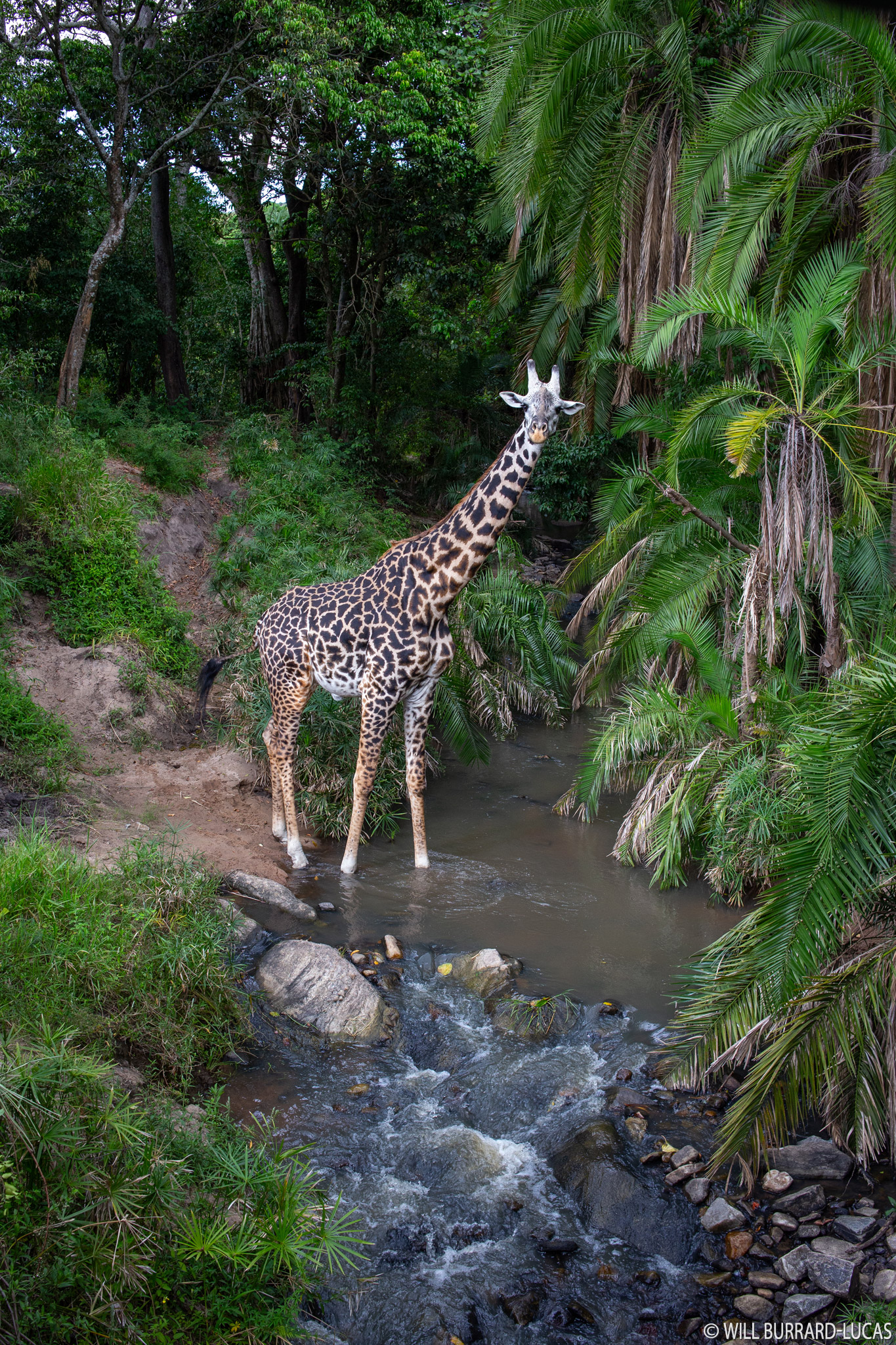
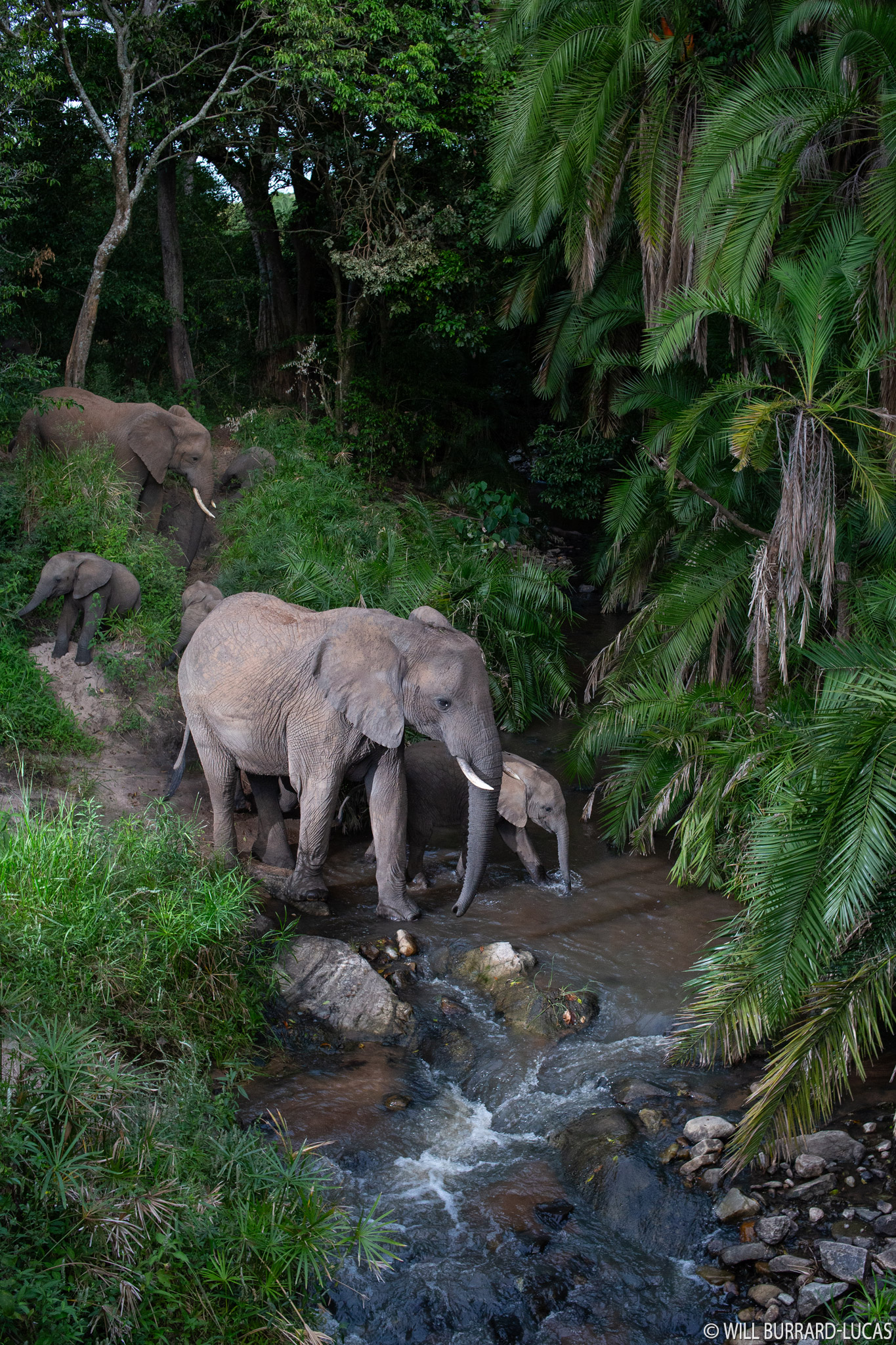
The setup used one of my Camtraptions camera trap systems.
The camera was mounted high on the riverbank, looking down towards the crossing, with a PIR motion sensor placed closer to the trail. Several flashes were positioned around the scene to illuminate both the animals and key elements of the background and vegetation.
Lighting nocturnal scenes like this is always a balancing act: too much light and you lose the atmosphere; too little and important elements disappear into darkness.
The camera trap was left running continuously.
The rangers checked it every couple of weeks to swap batteries and memory cards.
It quickly became clear that the crossing was even more productive than expected. It wasn’t long before the first rhino appeared on camera, and as the weeks went by, more followed.
Several of these individuals had not been documented by the rangers for many months, and one had not been seen since 2023. As a result, the photographs helped confirm the continued presence of rhinos whose status in the population figures had previously remained uncertain, giving the team greater confidence in their estimates.
But rhinos were only part of the story.
Over time, the camera trap revealed an extraordinary variety of wildlife using the crossing.
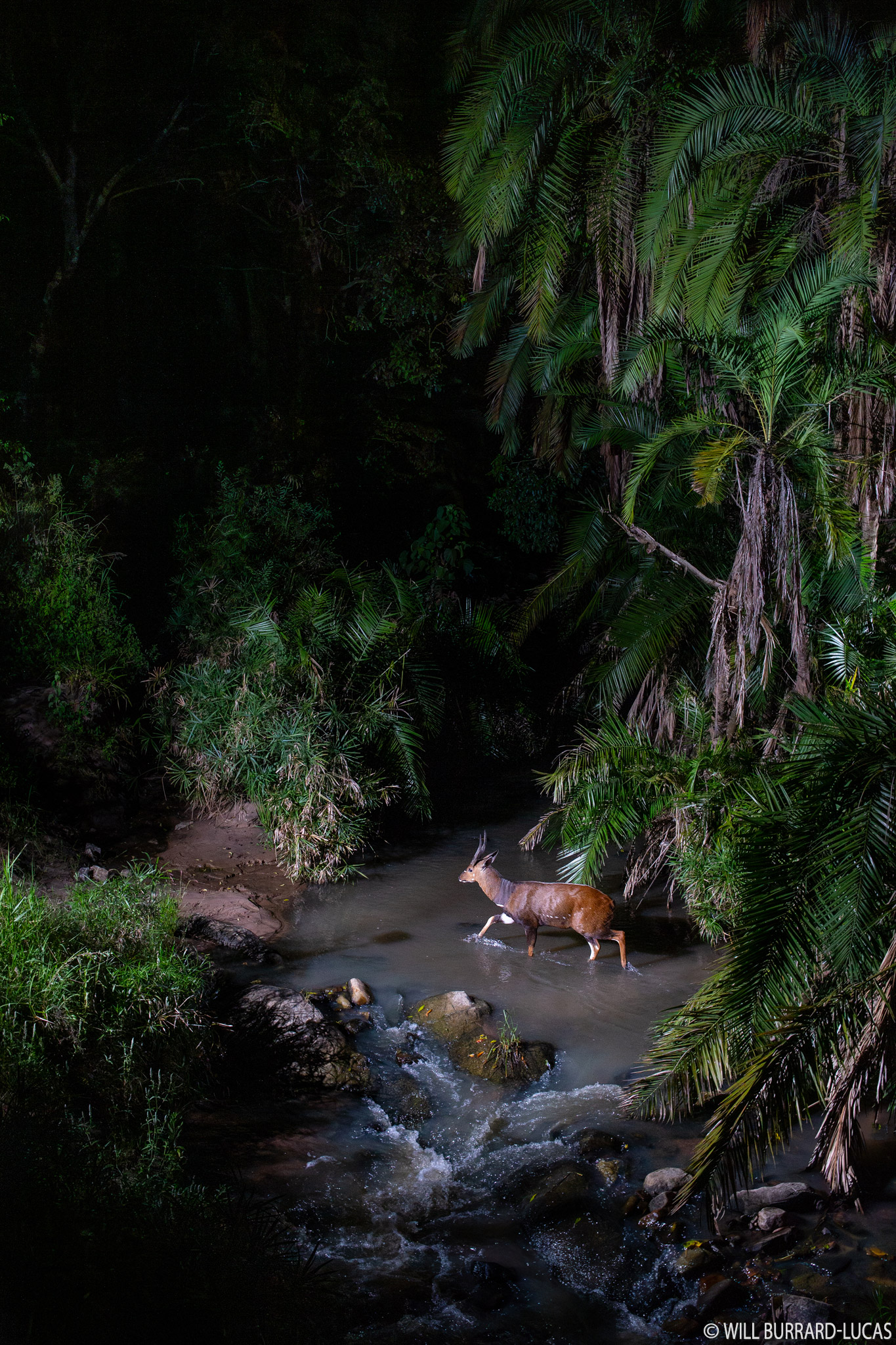
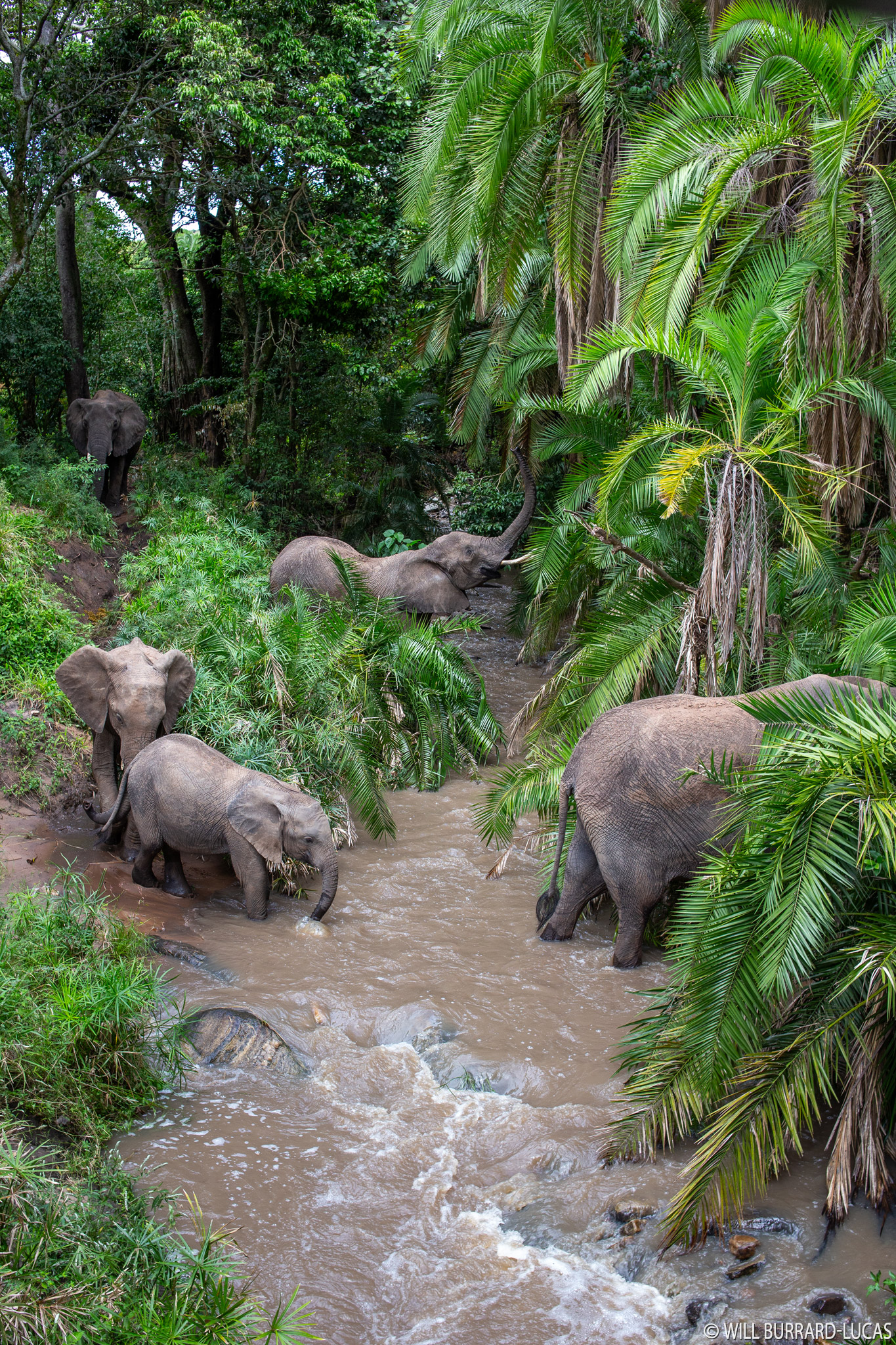
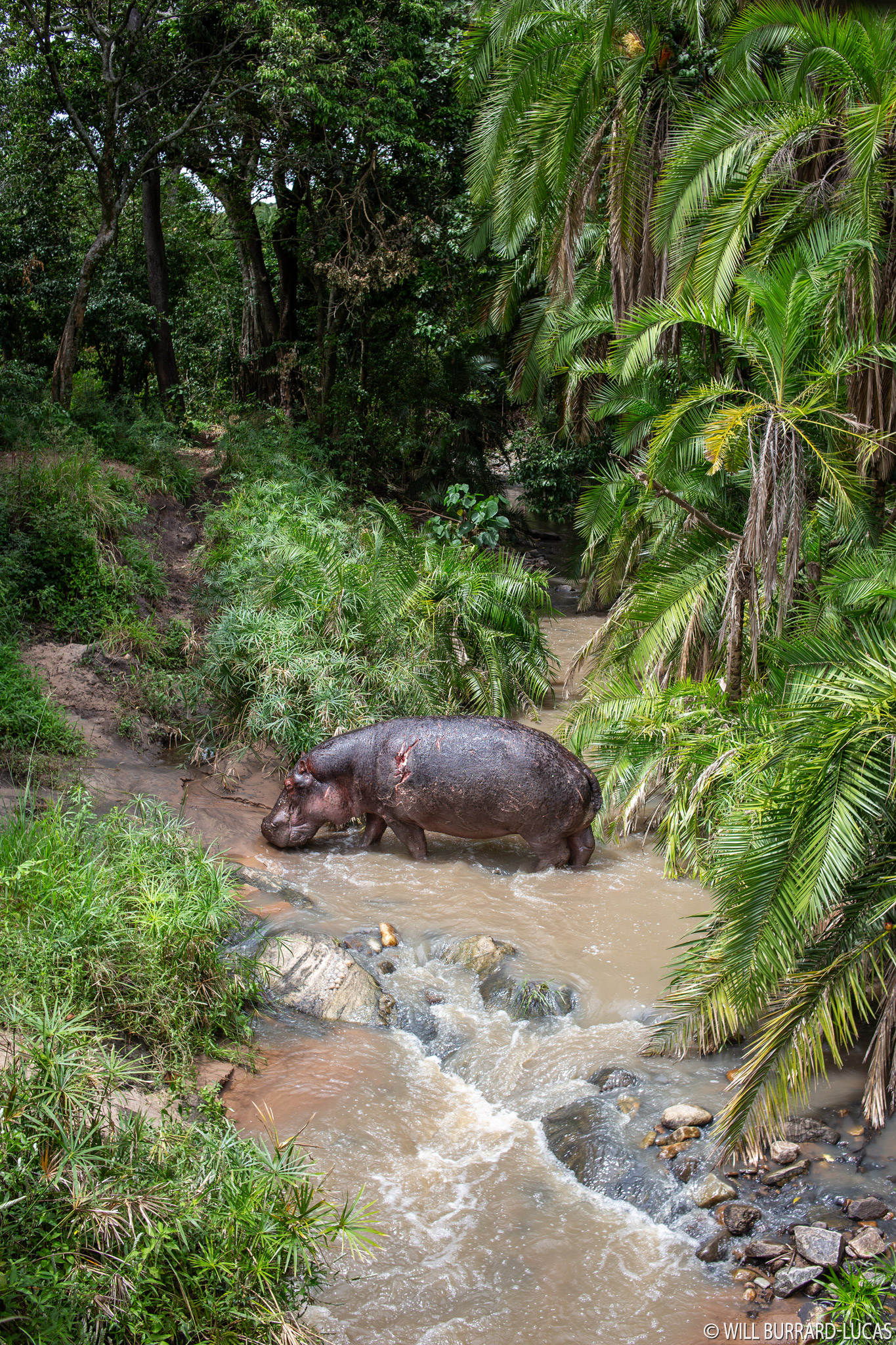
Elephants passed through in breeding herds. A leopard appeared briefly before melting back into the forest. Hippos emerged from the river. Bushbuck and giraffe moved cautiously down to the water.
One of the most exciting discoveries came unexpectedly.
When the rangers retrieved one memory card, a flurry of excited messages appeared in our WhatsApp group. At first, I didn’t understand the commotion.
A greater kudu had passed through the crossing.
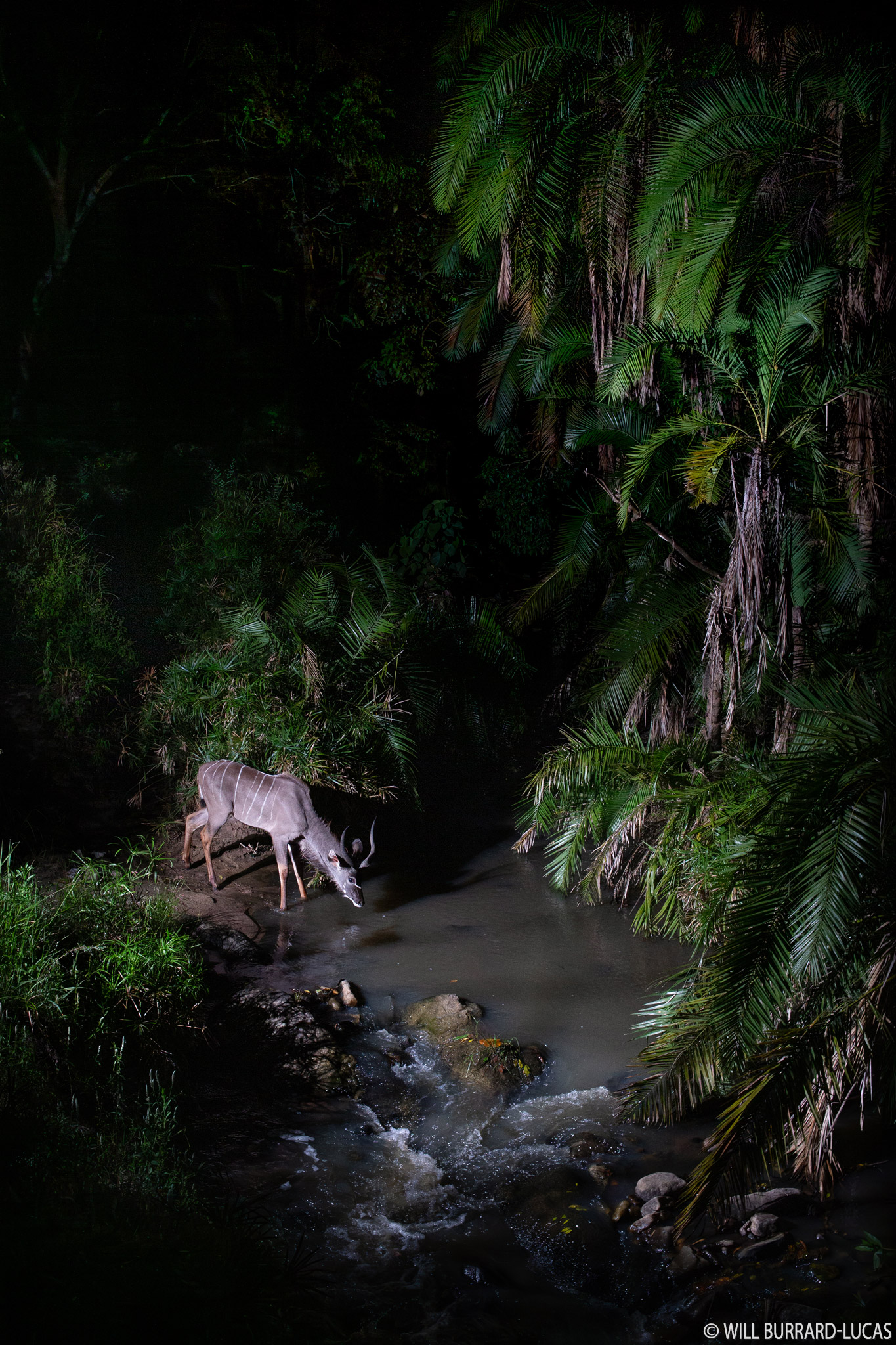
This was the first recorded sighting of a kudu in the area for many years.
The news quickly spread among the Narok County tourism and wildlife management team, who are working to protect and restore wildlife populations in the region. The possibility of reintroducing kudu had previously been considered, so the discovery that they were still present naturally was very exciting.
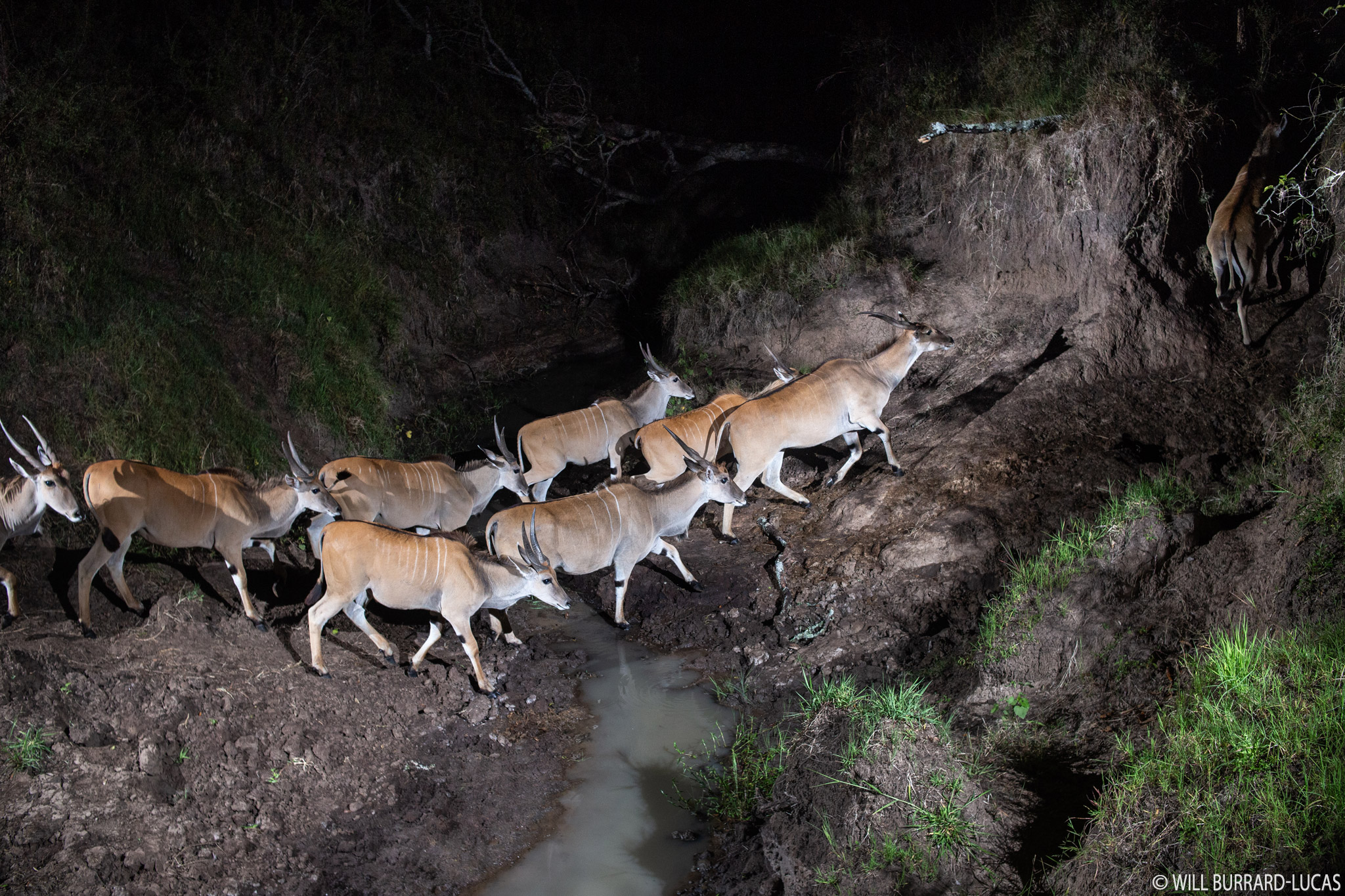
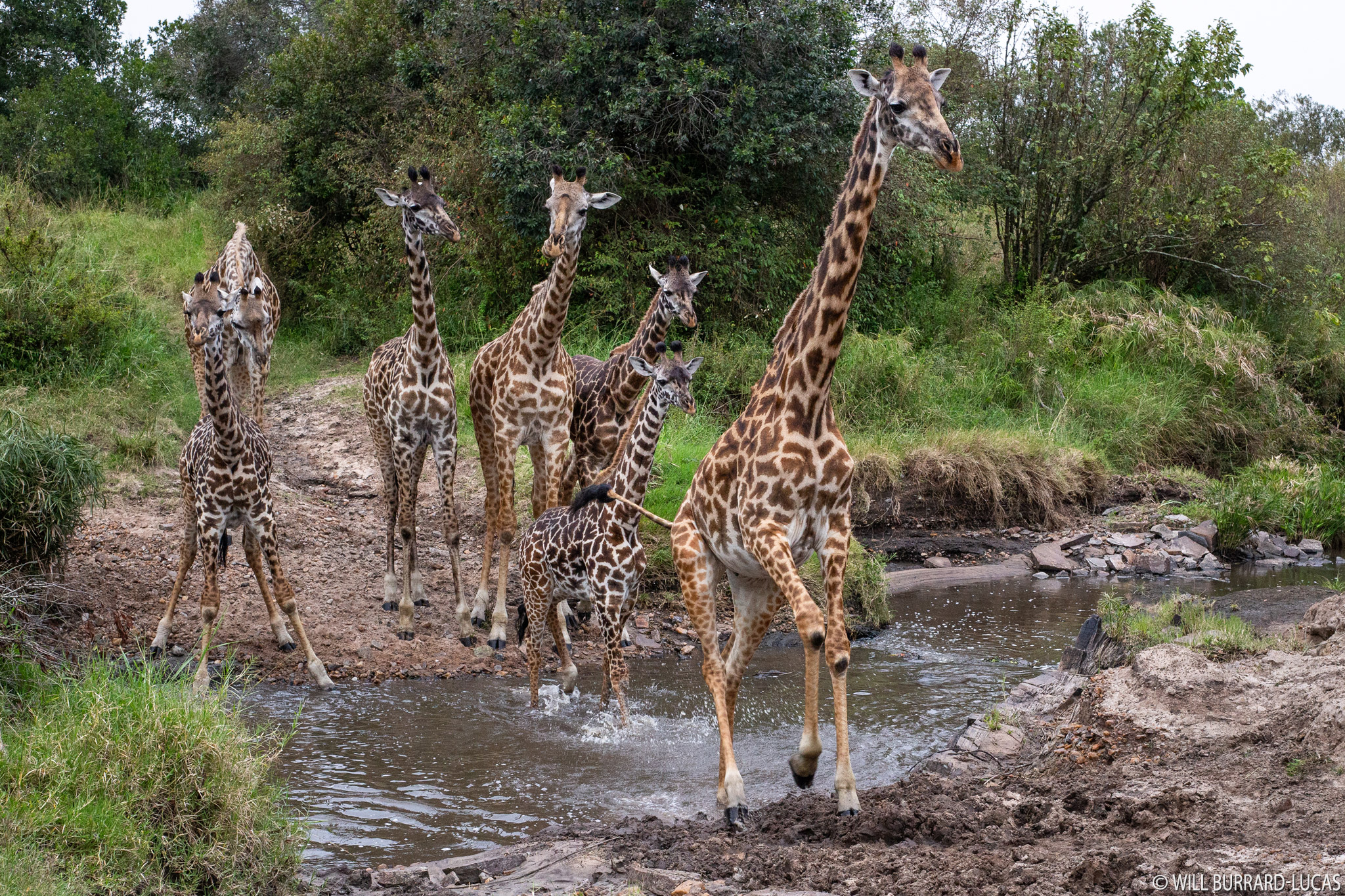
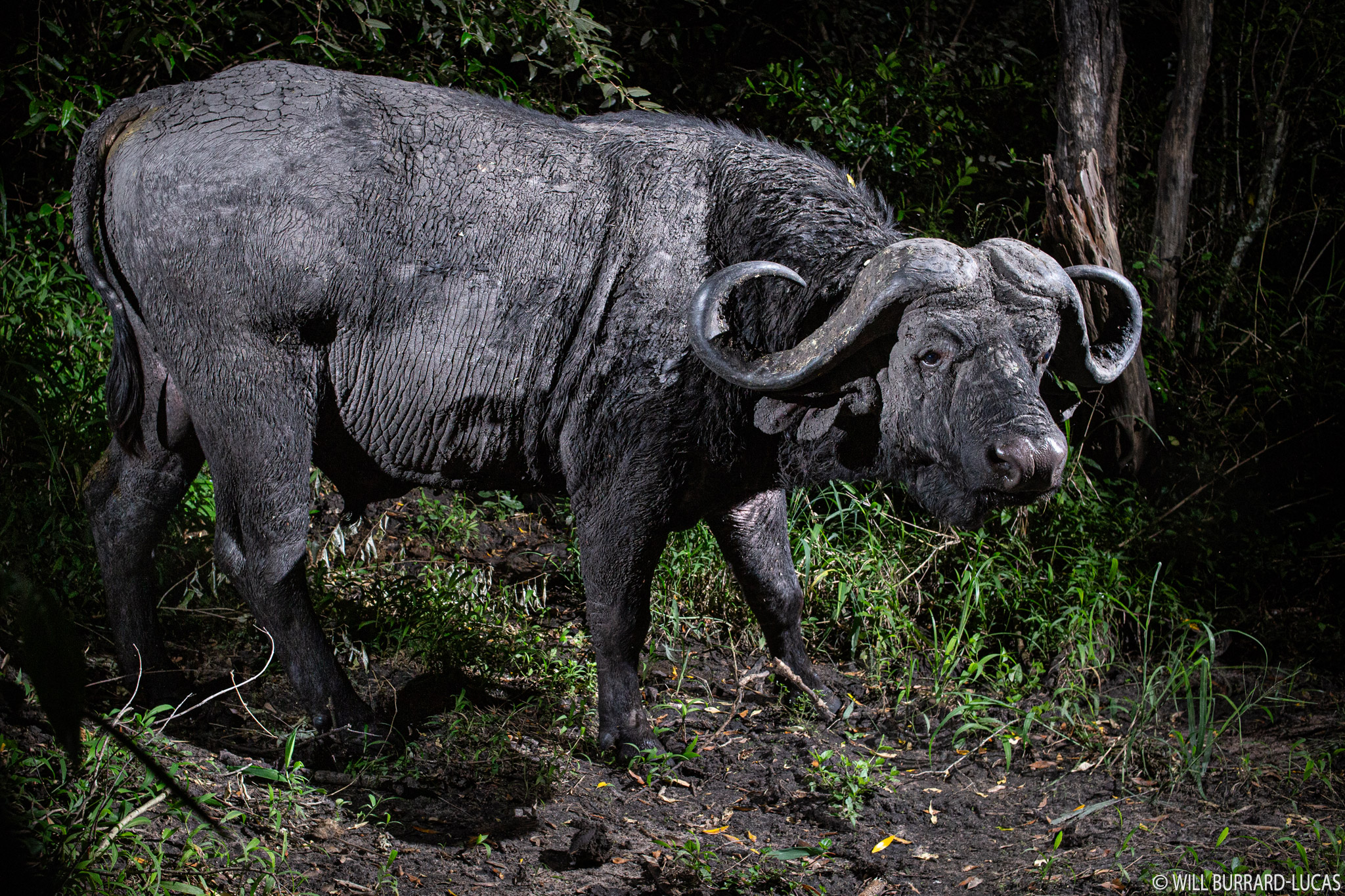
This was one of five camera traps I deployed in the area, and not all of them survived intact.
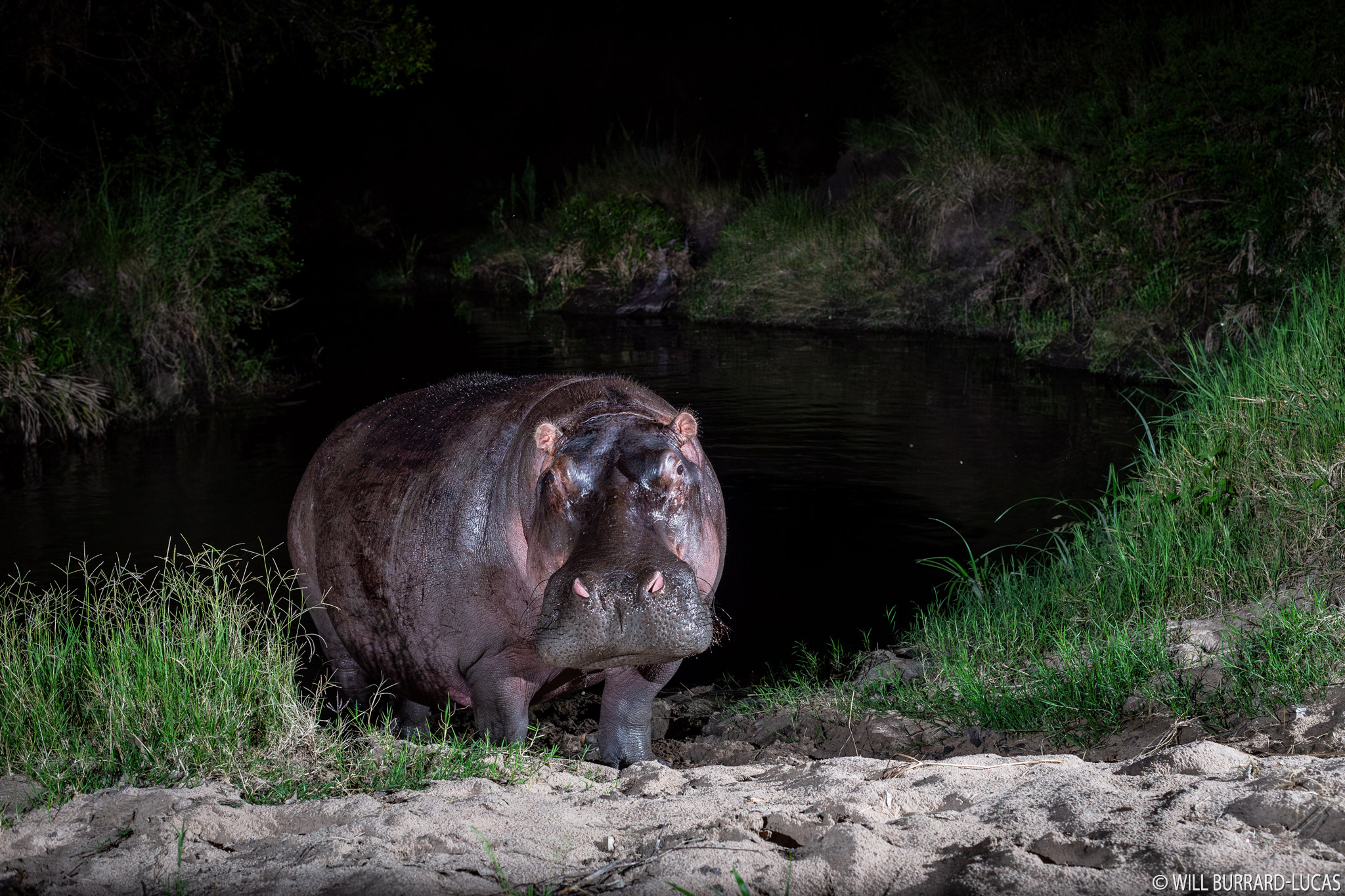
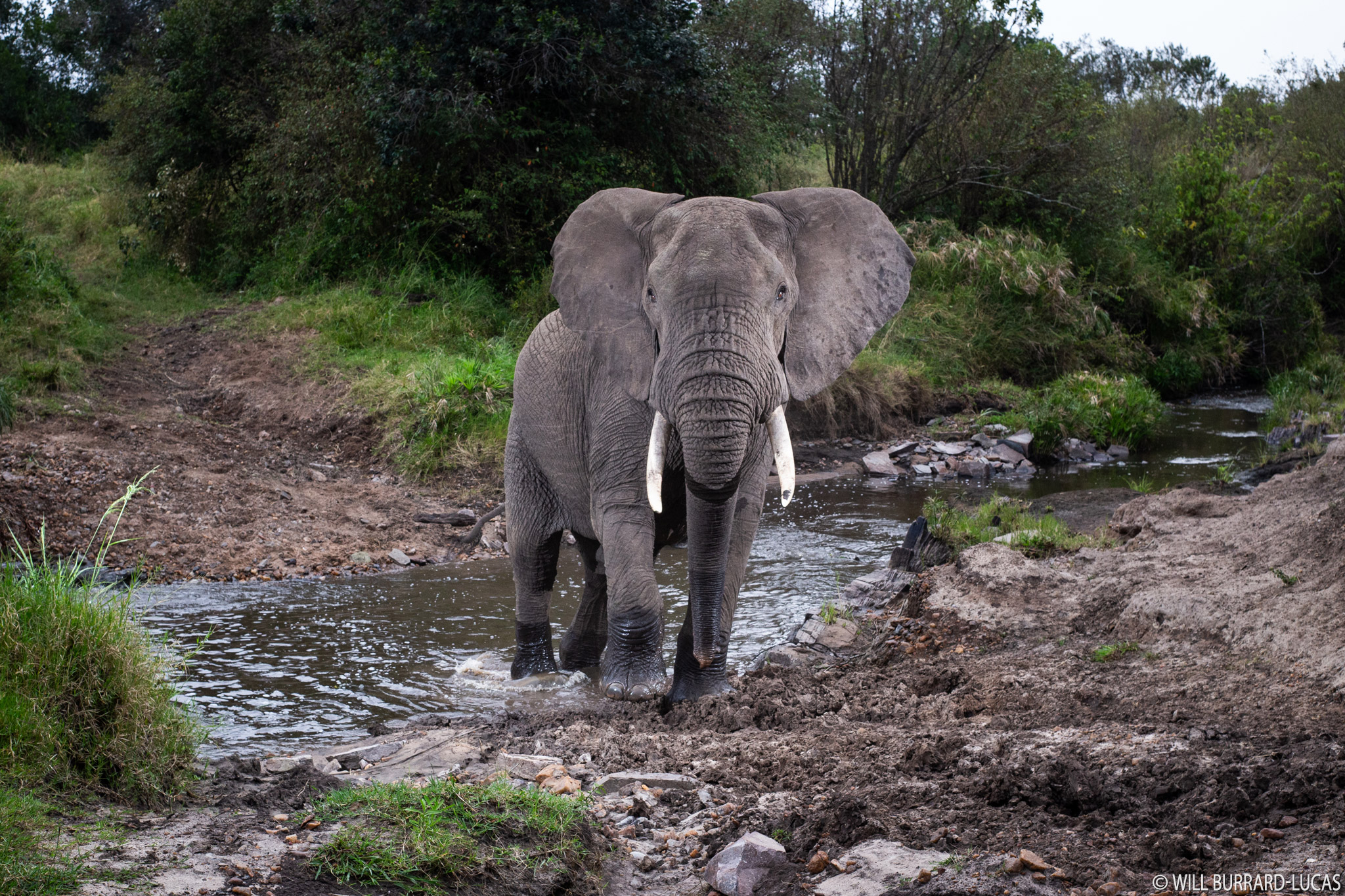
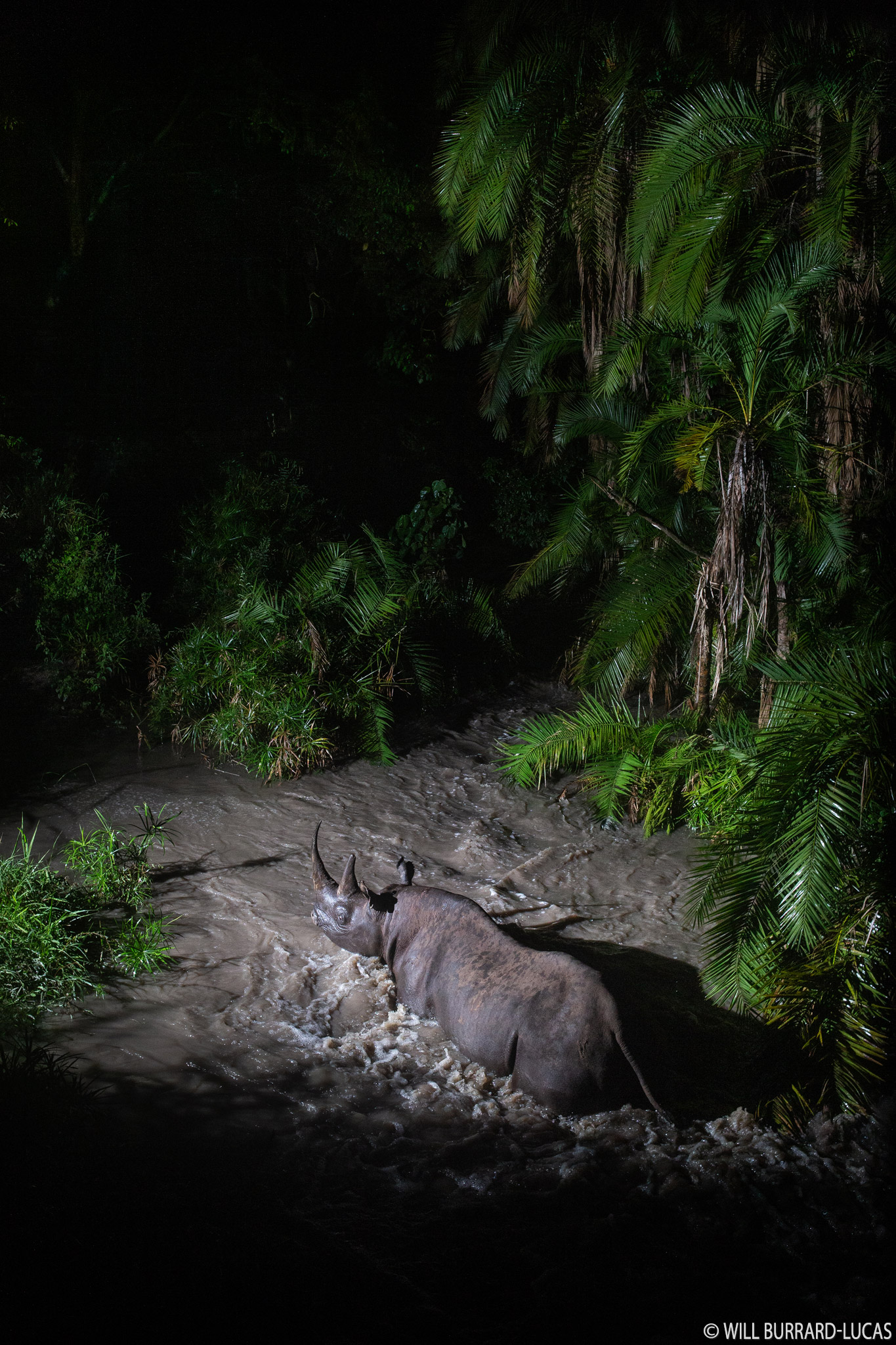
That same flood produced one of the most dramatic images of the project.
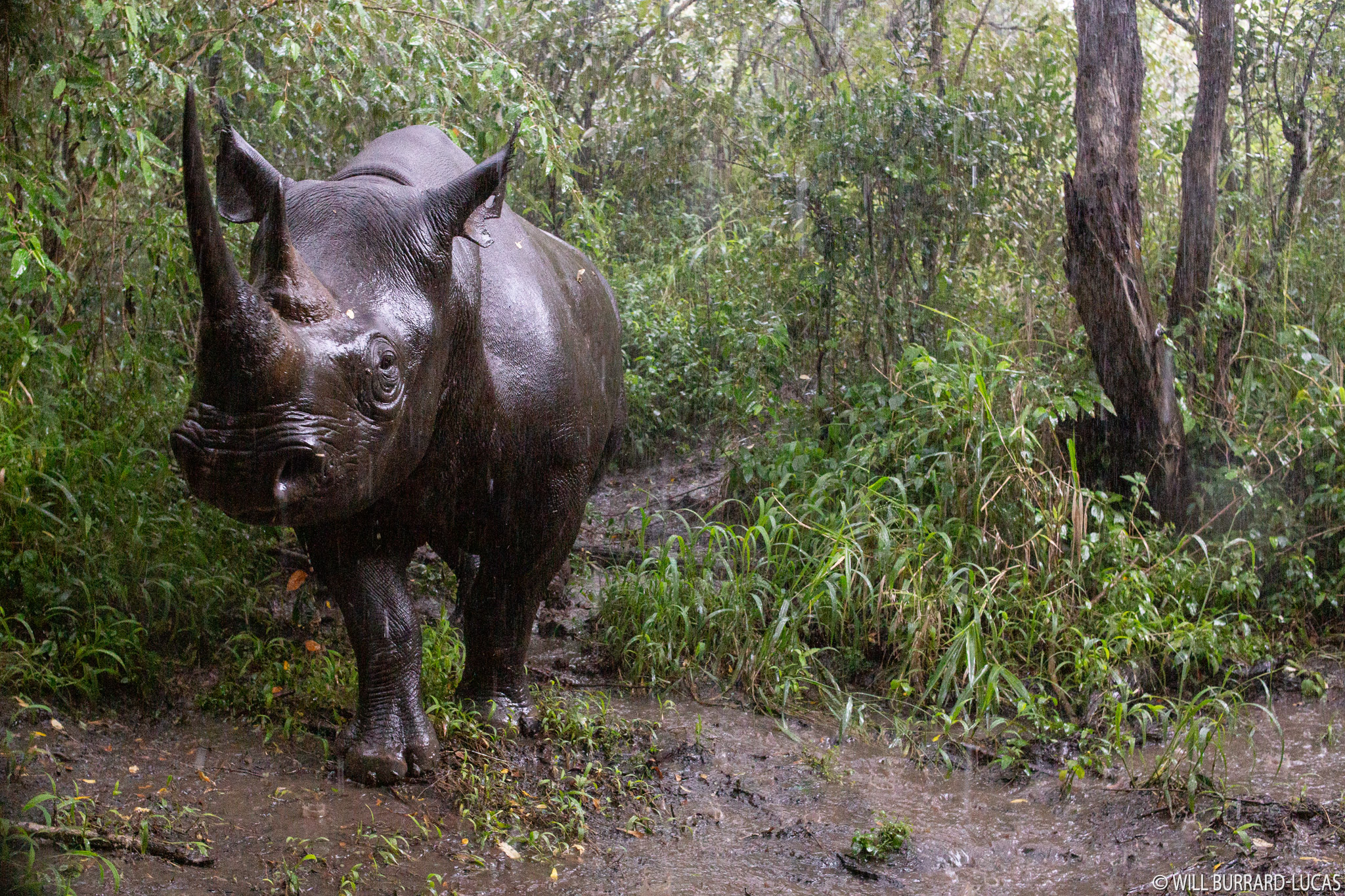
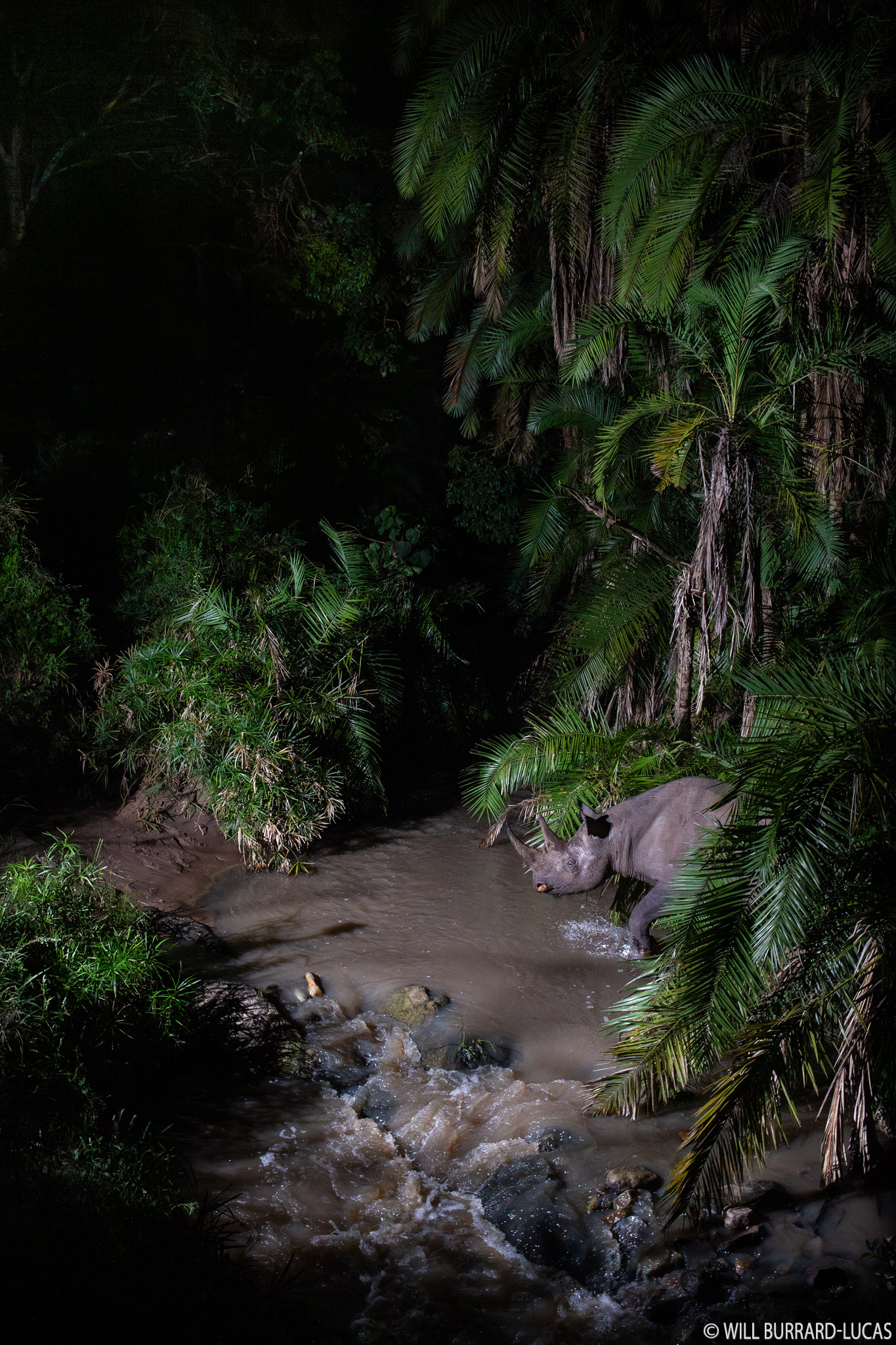
During the night, the quiet stream suddenly turned into a raging torrent, and the camera captured a black rhino forcing its way through the flooded river.
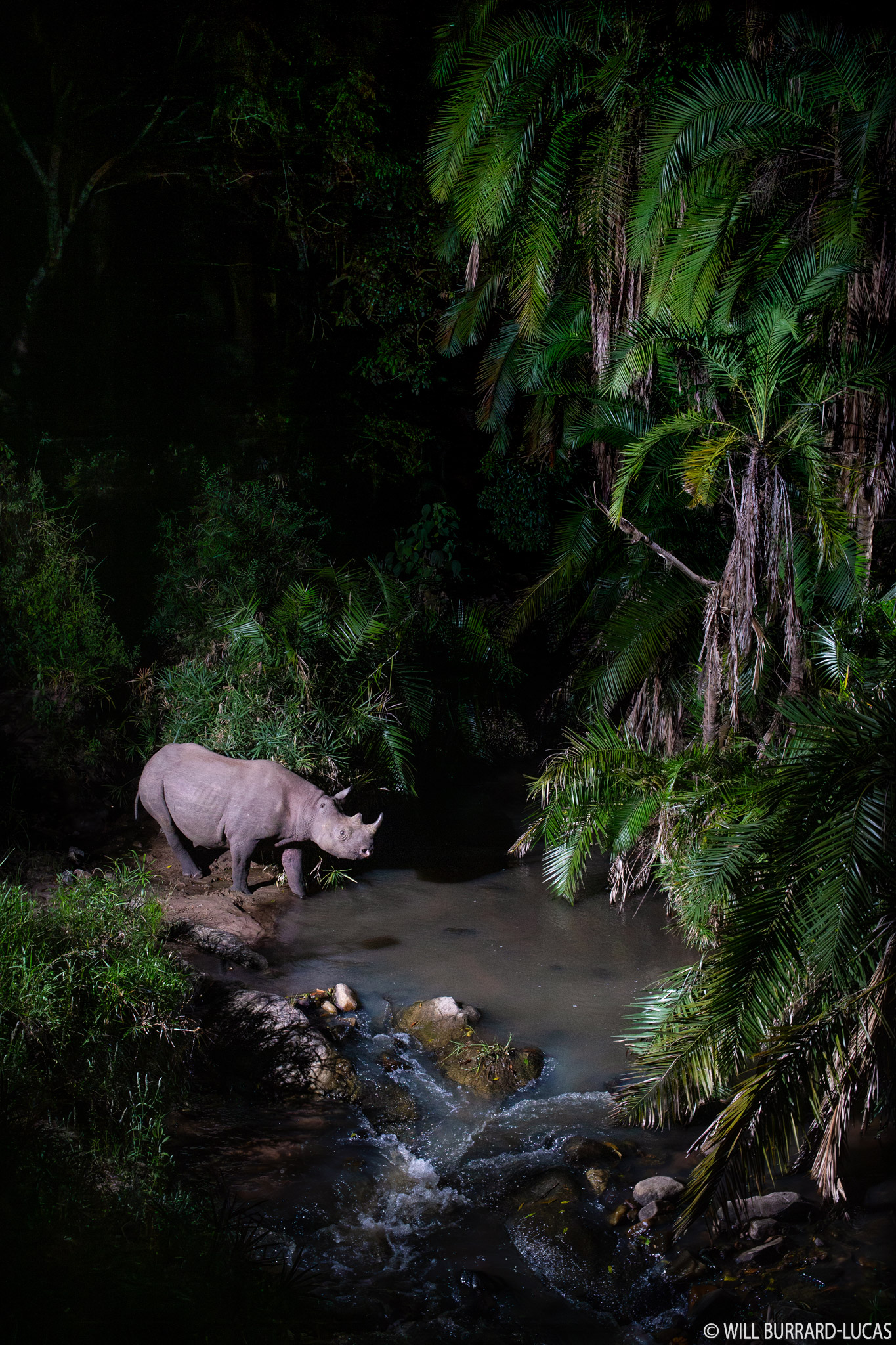
Of all the images captured during the project, my favourite is this photograph of a rhino standing beside the river at night.
But perhaps the most important thing this project revealed is a side of the Mara that most people never see.
Visitors experience the Mara by day, watching wildlife out on the open plains. But in the main reserve there is no night driving, so the Mara after dark remains largely hidden.
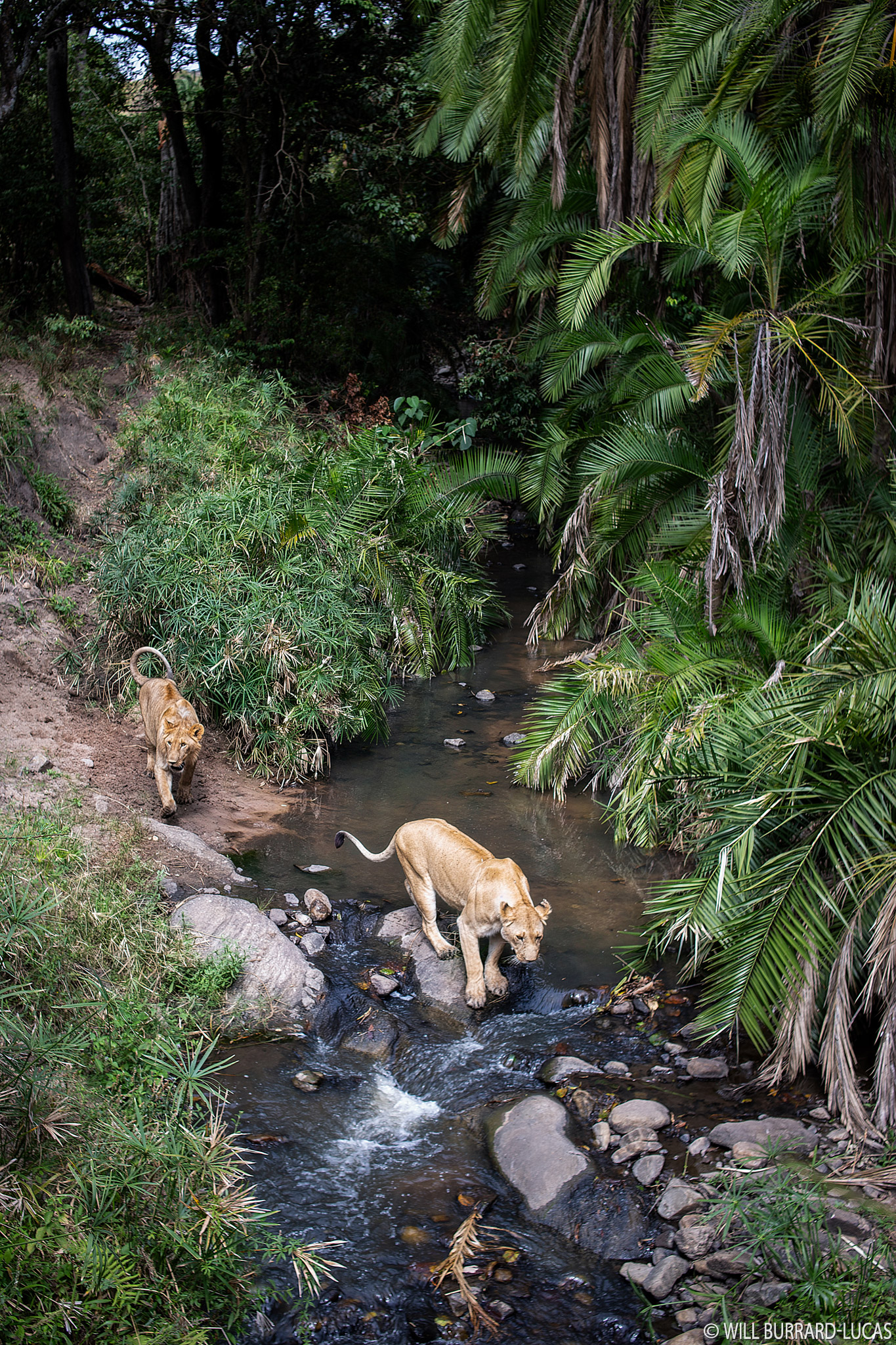
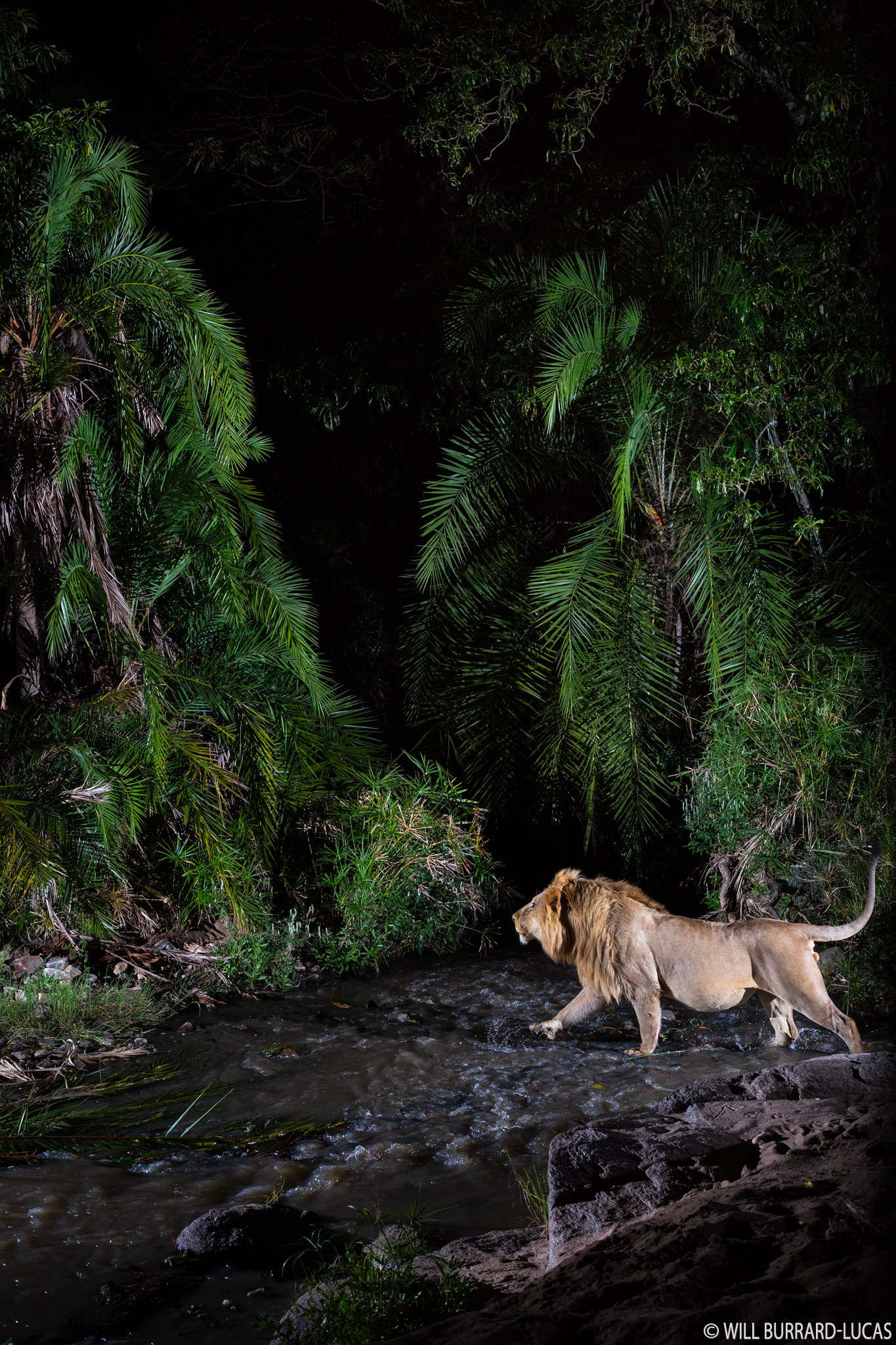
In places like this forested river crossing, the Mara feels very different from the savannah most people know.
It feels ancient.
And it is full of secrets.
This project would not have been possible without the support and generosity of many people. My heartfelt thanks go to The Safari Collection’s Sala’s Camp and Footprint Trust for hosting me and helping to facilitate the project, and to all the staff for their warmth and hospitality throughout. I am also deeply grateful to the Narok County Government, the Maasai Mara Reserve Rhino Unit, and all the rangers involved – especially those who helped identify locations, set up and maintain the cameras, and look after them in my absence. Special thanks are also due to John Gitonga of KWS for sharing his extensive experience of rhino camera-trap monitoring with me and the team, and to John Tanui for being such an inspiring mentor to the ranger team. Finally, my thanks to the Mara Triangle team, who became involved later in the year and supported additional camera-trap deployments.
Wonderful pictures.
The scenes are eerily prehistoric, which adds to the beauty.
Outstanding photos and accompanying text explaining the significance of this project. Kudos for your efforts and those of the rangers to share these insights into a hitherto hidden part of the Mara.
Fabulous sightings! thanks for sharing the pictures and related information.
Thank you so much! I learned a lot from this post. pp
Great results and interesting blog. Well done and please continue.
Truly wonderful,an incredible view from above, with spectacular lighting. Congratulations on such excellent work!
What an amazing group of photos. Thank you for sharing.
Is there a way of knowing whether the light distraction of filming made animals avoid the crossing after their first encounter?
Such profound grace; myriad beasties safe, moving through their sacred world, the deep power of your heart, the sophistication of your skill-set, the elegant commitment to conservation. Head bowed. Thank you.
Thank you so so much for sharing these outstanding and fabulous news with us. The pics are awesome. Indeed, it’s another atmospher of the Maasai-Mara. And this brough some positive infos about the wildlife…
These are fabulous Will.
I know how excited I get emptying my cameras each morning, never knowing what they will capture, in the British countryside. I texted my wife from my cameras when I got my first polecat photograph!
You must have been made up to get this gig. Up there with your photograph of a melanistic young leopard in a starlit sky?😁
Had lost the motivation setting cameratrap , now i think i can start setting again after seeing your shots
When you click on a link about camera trap images you don’t expect them to be so beautiful. Bravo!
Love the night river crossing black rhino shot
The lightning spreads well
Hopefully do camera trap trip in Mara when the situation settles down this period
All the best
What a remarkable project and a strong example of how photography, ranger knowledge and monitoring technology can work together. The fact that the camera trapping reportedly improved rhino reporting by more than 30% in its first six months, and even helped confirm animals that had not been seen for long periods, shows the real conservation value of work like this. It also sounds as though the project was done in close partnership with the Mara Rhino Unit and local conservation teams, which matters.
At the same time, I do find myself wrestling with a wider concern. There are now so few places left where wildlife still has any real privacy at all. Even when the intention is conservation, tourism, education or awareness, the public revealing of hidden spaces can draw the attention of a very wide mix of people, not all of them well meaning. In a world where wildlife crime remains highly profitable and increasingly enabled through online channels, there is a fair question about whether revealing sensitive places is sometimes the last thing we should be doing.
So for me, the balance is this: share the story, share the wonder, share the importance of the work, but protect the precise places. Some secrets may now need to stay secret if animals are to have any space left that is truly their own.
6 years in Kenya, and I would have never guessed there was such greenery in the Masai Mara. For real a side of the Mara that few people ever get to see.
And your photo… stunning.
If this isn’t what I needed to get back into photography, I don’t know what is.
Thank you for sharing this, Lucas.
Outstanding, Will !! As always
Absolutely amazing and exciting to discover such a secretive transit route for notably black rhino. An awesome project that delivered some necessary positivity as well as artistic photography. Thank you for allowing us to share in your excellent conservation work.
inspiring me to keep going on camera trap projects, thank you.
Just WOW! I love these. So very special to see these magnificent creatures in their glorious habitat….Unbothered by humans. Thank you!