Secrets of the Maasai Mara
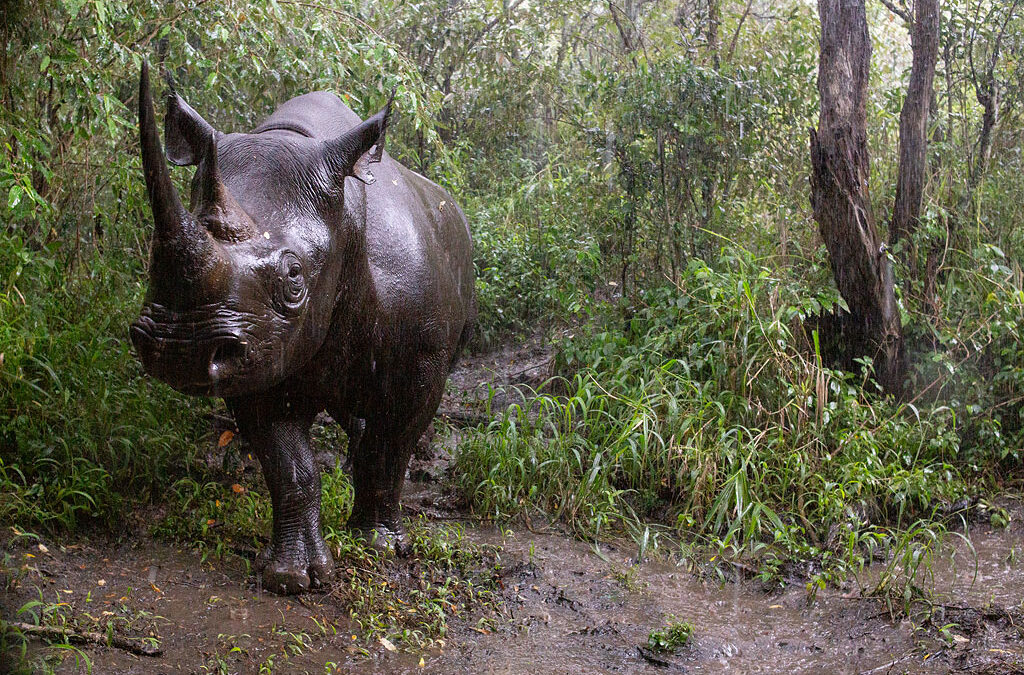
For many months last year, a camera trap beside a remote river crossing in Kenya’s Maasai Mara quietly watched the forest…
For many months last year, a camera trap beside a remote river crossing in Kenya’s Maasai Mara quietly watched the forest…

For me, the Congo rainforest is the essence of wilderness. As you venture into it, the roads and navigable river tributaries become ever more vegetation-clogged until eventually the only way forwards is on foot, through boggy swamps and along narrow forest trails…
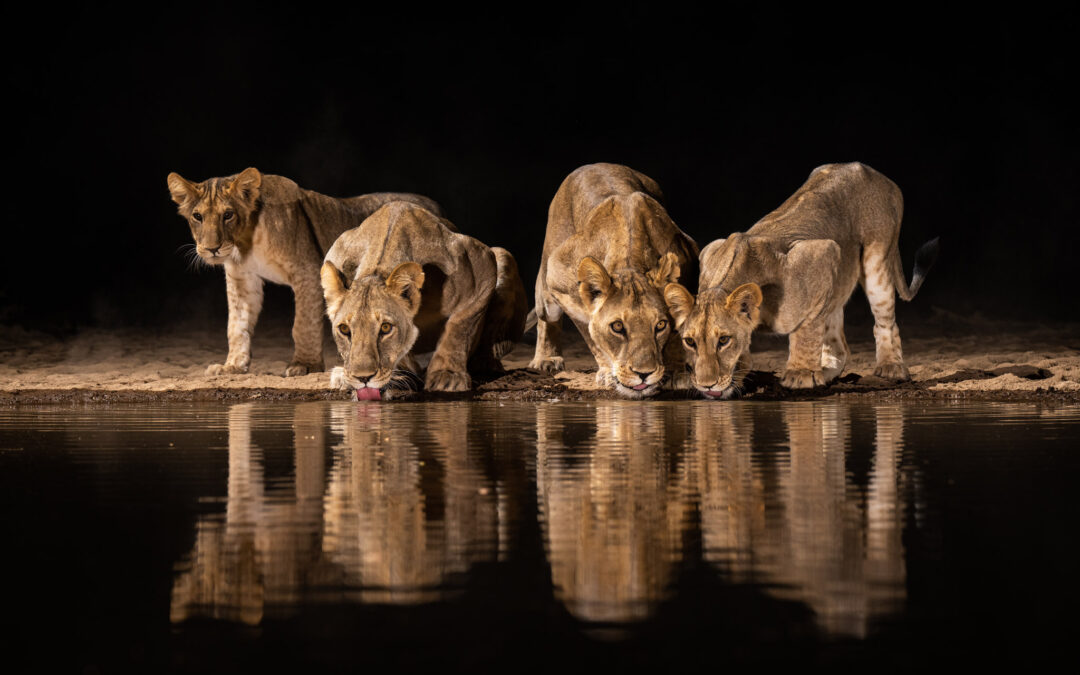
In the relentless heat of the day, Shompole Conservancy seems like an inhospitable place. A layer of fine dust blankets everything and it is impossible to move without sending puffs of it drifting off on the breeze. It is very dry and it might appear that little wildlife could survive here. At night, however, the story is quite different…
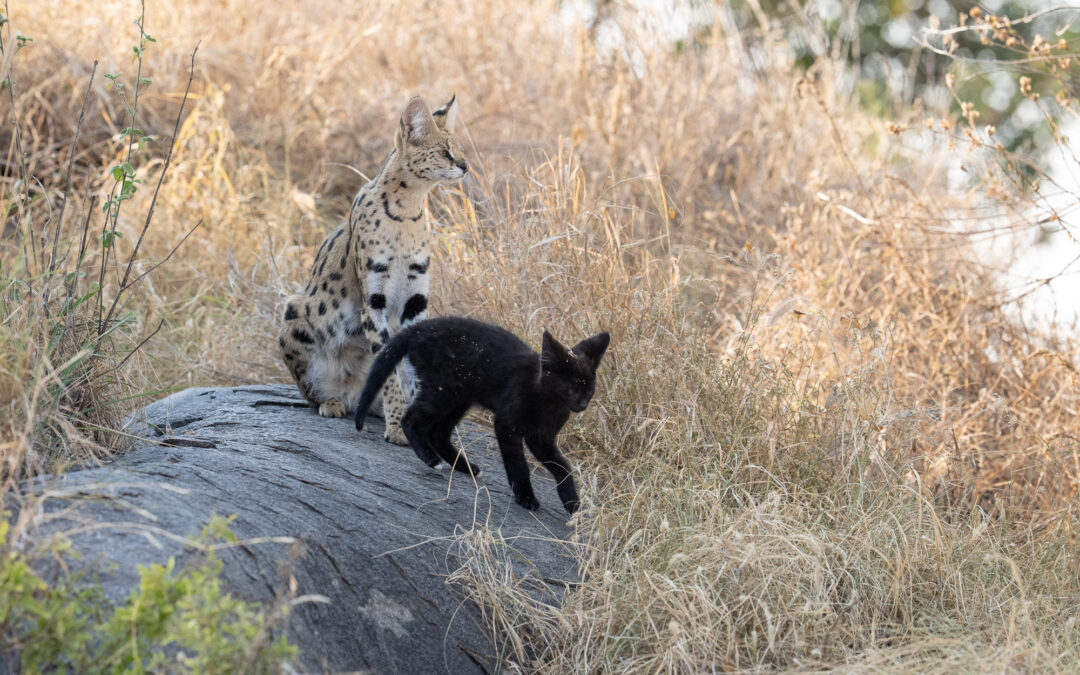
Last week I was at Namiri Plains in the Serengeti. I was aware that over the last couple of years, a rare melanistic serval cat had been seen quite regularly near to camp. When I arrived, however, I was disappointed to learn that it had not been seen for a couple of months. But, I had not come to the Serengeti looking for black cats; my aim was to photograph lions for my next book project and so I resolved to focus all my attention on that instead. The lions of Namiri did not disappoint and thoughts of mini black panthers soon left my mind.

In early 2019, I released my first images of a black leopard in Kenya. However, the project did not end there. For a period of time, I knew where I could find an African black leopard and I was keen to make the most of this once-in-a-lifetime opportunity.
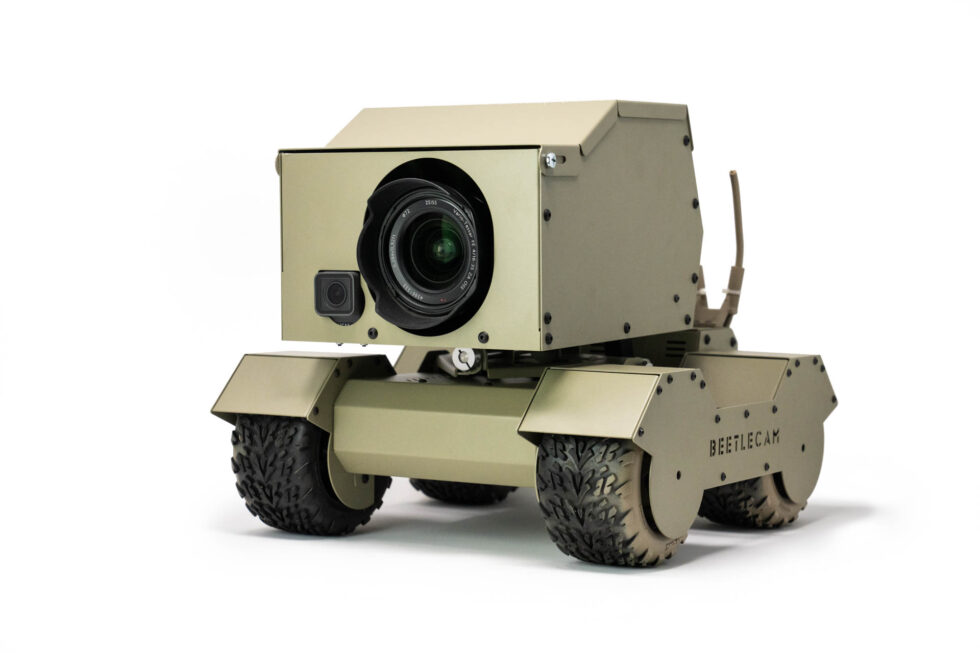
The all-new BeetleCam is here!

As I was winding up the fieldwork for Land of Giants, I shifted focus to another of Tsavo’s majestic inhabitants: Black Rhino. Tsavo West is a one of the most ruggedly wild and beautiful landscapes I have encountered in Africa, and a fitting bastion for these ancient mammals.

This month it is ten years since I finished building the first BeetleCam. At the time, I had no idea how much BeetleCam would go on to shape my career.

F_MU1 was an incredible elephant. When I first saw her I was awestruck, for she had the most amazing tusks I had ever seen. If I hadn’t looked upon her with my own eyes, I might not have believed that such an elephant could exist in our world.

Since childhood I have been fascinated by stories of black panthers. For many years they remained the stuff of dreams and of farfetched stories told around the campfire at night. Nobody I knew had ever seen one in the wild and I never thought that I would either. But that didn’t stop me dreaming…